Home › Private Road and Lane Paving
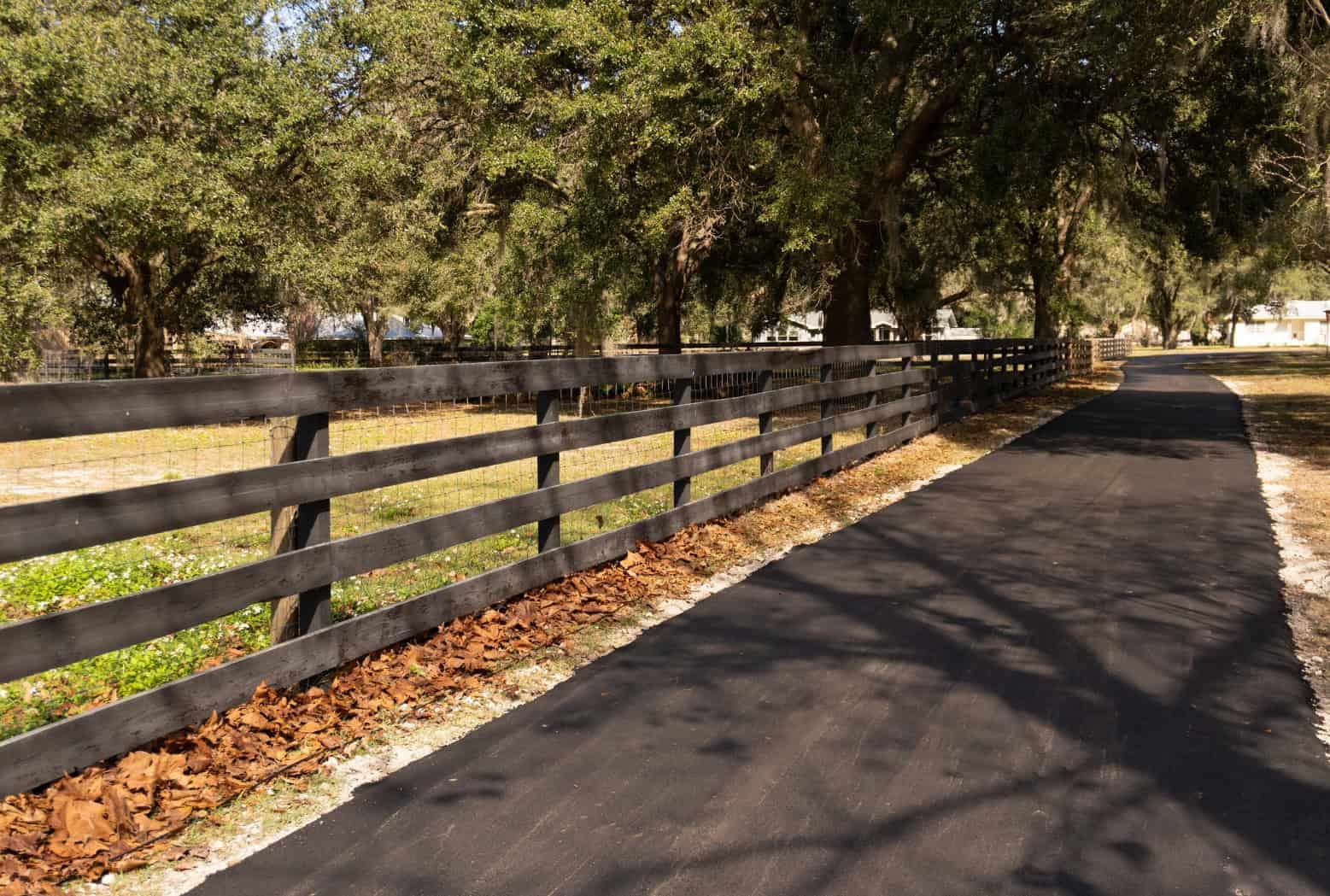
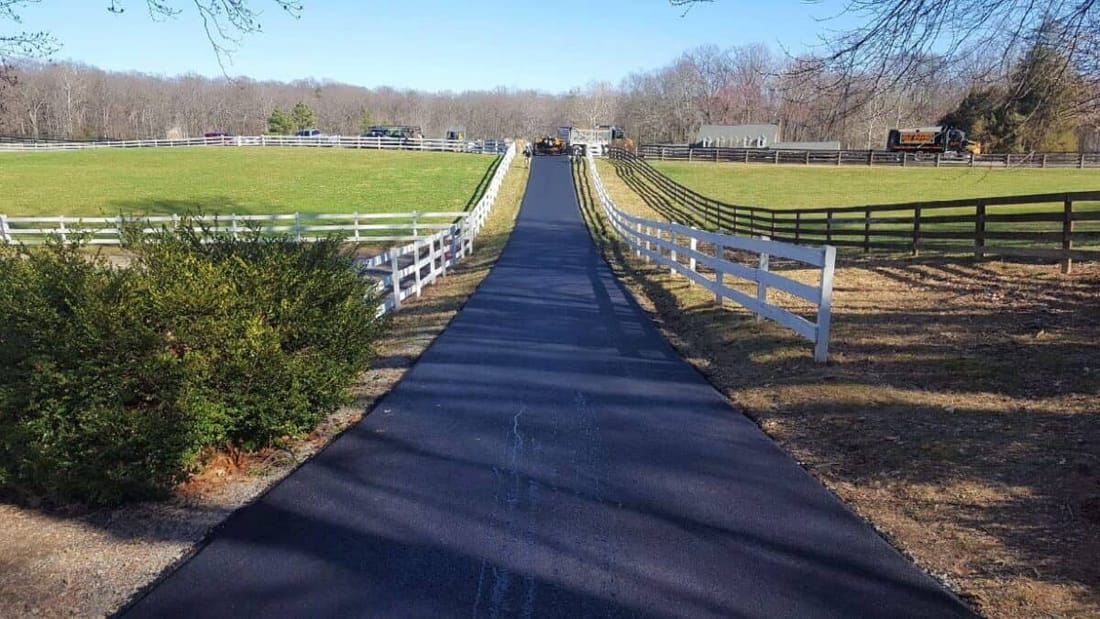
Upgrade dusty or rough access with professional private road paving in Colorado Springs, CO. We design and build long lasting asphalt lanes and shared drives with proper base depth and drainage so residents enjoy smooth, reliable access year round.
Precision Asphalt Colorado Springs provides professional private road paving throughout Colorado Springs, CO, Colorado and the surrounding area. Our licensed, insured crew delivers safe, clean, on-time work with a free estimate before anything begins. Call (719) 722-2508 or request your free quote.
Private Road Paving in Colorado Springs That Holds Up to Real Traffic
If you share a long driveway with neighbors, manage a small HOA, or need access roads on private land, a well built paved surface is more than a convenience. It affects property value, emergency access, and day to day wear on vehicles. At Precision Asphalt Colorado Springs, we focus on private road paving that fits how you actually use the road, not just how it looks on day one.
Private road paving in Colorado Springs has to deal with a few local realities. We see freeze and thaw cycles, intense sun at higher elevation, and sudden storms that test drainage. Instead of a one size fits all approach, we look at your slope, soil, use type (residential cars, delivery trucks, horse trailers, or heavier farm equipment), and how snow and runoff move across the property. That evaluation at the beginning determines whether your road lasts 5 years or 20.
When we visit your site, we walk the full length of the proposed lane or road with you. We look for soft spots, low areas that will hold water, tight turns where vehicles might rut the edge, and any visibility or safety issues. From there we recommend an alignment, width, and asphalt build that balances cost and durability. For example, a light traffic ranch lane might use a different base depth than a shared road that sees daily UPS trucks and moving vans.
How We Build a Private Road or Lane That Lasts
Private road paving is more than just laying blacktop. The structure underneath is what carries the load. Precision Asphalt Colorado Springs typically follows a consistent process, then adjusts thicknesses and materials to your project.
Site prep comes first. That can include stripping topsoil, shaping the path with a grader, and proof rolling to find soft spots. If we see pumping areas under the roller, we undercut those and replace with compactable base. Skipping this step is one of the main reasons private roads develop dips and potholes in a few winters.
Next is the base course. In our area, we often use a crushed aggregate base, sometimes called road base, compacted in multiple lifts with a vibratory roller. For a light residential lane we might use 4 to 6 inches of base. For shared roads or access for propane trucks or delivery trucks, we may recommend 8 inches or more. Good base thickness and compaction is what keeps your paved road from flexing and cracking when we hit our coldest snaps.
Once the base is shaped with the right crown or cross slope for drainage, we install an asphalt binder course (if needed), then the surface course. Many private roads do fine with a single 3 inch compacted lift of hot mix asphalt, but higher traffic or steeper grades are often better with two lifts. We choose mix designs that handle the temperature swings in Colorado Springs, so they stay flexible in winter and do not rut in summer.
Materials, Design Options, and Drainage Details
Private road paving gives you more choices than a typical suburban driveway. Precision Asphalt Colorado Springs explains these options in plain language so you can decide what is worth paying for.
Asphalt thickness is one of the biggest variables. For a low volume lane used by passenger vehicles, a 2.5 to 3 inch compacted asphalt layer over a properly built base is usually enough. If you expect frequent heavy trucks, like feed deliveries on acreage properties or construction traffic to new builds at the back of the parcel, we may suggest 3.5 to 4 inches or a separate binder course under the surface layer. It costs more up front, but it nearly always beats the cost of early replacement.
We also discuss surface mix types. A slightly coarser mix can give more grip for hills and curves, which matters when you combine snow, ice, and the gravel that often gets dragged onto rural lanes. On flatter sections we can sometimes use a finer, smoother mix that is easier to shovel or plow.
Drainage details are critical in El Paso County soils. Our area has pockets of expansive clays and decomposed granite. Poor drainage means trapped water, which turns into frost heave and potholes. We design your private road with a crown or a consistent cross slope so water sheds to the side. In problem spots, we may recommend shallow ditches, culverts under the road at natural low points, or small berms to keep hillside runoff from crossing your lane. It is common for us to clean up or rebuild an older gravel road first, fix the drainage, then pave once we know water is flowing where it should.
What Drives the Cost of Private Road Paving in Colorado Springs
Understanding what affects cost helps you compare estimates fairly. At Precision Asphalt Colorado Springs, we break down our proposals so you can see where your money goes.
Length and width are the starting point. A 400 foot shared driveway with a 12 foot paved width is a very different project than a 1,000 foot access road at 16 feet wide for two way traffic. In many rural and foothill settings near Colorado Springs, 12 to 14 feet works well for light traffic lanes, with widened sections or pullouts for passing.
Base work is the next big factor. If your existing lane has been gravel for years and is well compacted with good drainage, we may be able to regrade the existing material, add some fresh base, and pave over it. If the road has ruts, holds water, or has soft subgrade, we have to remove and replace material and compact in lifts. That extra base work protects your investment but does raise cost.
Access and mobilization also matter. Some private roads require bringing equipment through tight gates or around buildings, or working on steeper grades in the Black Forest or mountain fringe areas. That can slow down production and require specific machinery. We also schedule private road paving around Colorado Springs weather. Asphalt needs certain temperatures to compact correctly, so we plan most paving from late spring through early fall and try to avoid days with forecast thunderstorms that can cool the mat too quickly.
When we quote, we talk openly about where you can save and where cutting corners is a bad idea. For instance, reducing asphalt thickness by half an inch might save a little, but skipping proper drainage can cut the life of the road in half.
Common Private Road Problems and How We Fix or Prevent Them
If you already have a private road or shared lane, you may be dealing with washboarding, potholes, or edges breaking apart. Precision Asphalt Colorado Springs sees the same few issues over and over, and they nearly always trace back to drainage, thin sections, or poor compaction.
Edge failures are common on older roads that were built too narrow. Vehicles drift to the side, the wheel load breaks the unsupported edge, and pieces start to crumble away. When we build new, we size the width for the real use and may add shoulder material along the edges to support traffic. On existing roads we can sometimes mill back the broken areas, rebuild the base wider, and pave an overlay that ties into stable material.
Cracking and potholes often show up first in shaded or low spots that stay wet. We address the cause, not just the symptom. That might mean adding a small swale, reworking the ditch, or adding a culvert, along with patching or resurfacing. If the asphalt is generally sound, a properly prepared overlay can give your private road many more years of use without full reconstruction.
For gravel roads that you are tired of grading and dusting, we can evaluate whether the existing structure is strong enough to accept asphalt or if certain segments need excavation and rebuilding first. Many property owners around Colorado Springs phase their projects, starting with the steepest or muddiest sections, then extending the paved portion as budget allows. We help you plan that so each phase ties into the next without wasted work.
Because our climate swings from hot, dry days to freezing nights, we also recommend a maintenance plan tailored to private roads. That can include periodic crack sealing to keep water out of the base, localized patching before damage spreads, and eventually a seal coat or overlay when the surface starts to age. A little planned maintenance goes a long way in keeping your private lane safe, smooth, and easy to plow in winter.