Home › Parking Lot Repair & Replacement
Keep your property safe and professional with expert parking lot repair in Colorado Springs, CO. We repair potholes, failed sections, and drainage issues or perform full replacement when needed so your lot is smooth, safe, and easy to navigate.
Precision Asphalt Colorado Springs provides professional parking lot repair throughout Colorado Springs, CO, Colorado and the surrounding area. Our licensed, insured crew delivers safe, clean, on-time work with a free estimate before anything begins. Call (719) 722-2508 or request your free quote.
Parking lot repair in Colorado Springs that actually lasts
If you manage a commercial property in Colorado Springs, you already know our freeze-thaw cycles, afternoon storms, and UV exposure can beat up a parking lot fast. At Precision Asphalt Colorado Springs, we focus on parking lot repair and replacement that is built around our local climate, not a one-size-fits-all approach.
Our crew starts with a walk-through of your lot, not just a quick look from the truck. We note ponding water areas, heaved sections from winter frost, raveling surfaces, and traffic patterns. Then we test sections of the asphalt and base where needed, checking thickness and base stability. This tells us if your lot can be cost-effectively repaired or if you are wasting money on patching when partial or full replacement is the smarter choice.
We explain what we find in plain language, with photos if you are offsite. You will see where the base has failed, where cracks are only surface deep, and where we can extend the life of the pavement with targeted repairs instead of a full tear out. Our goal is to help you make a clear decision that balances budget, long-term performance, and how your business operates day to day.
Common parking lot problems we fix and how we fix them
Colorado Springs parking lots face a specific set of problems: alligator cracking from freeze-thaw cycles, potholes from snowplow damage, settlement around utility cuts, and faded striping that confuses drivers during snow events. Precision Asphalt Colorado Springs tailors the repair method to each issue so you are not overpaying for a heavy fix where a lighter one will do.
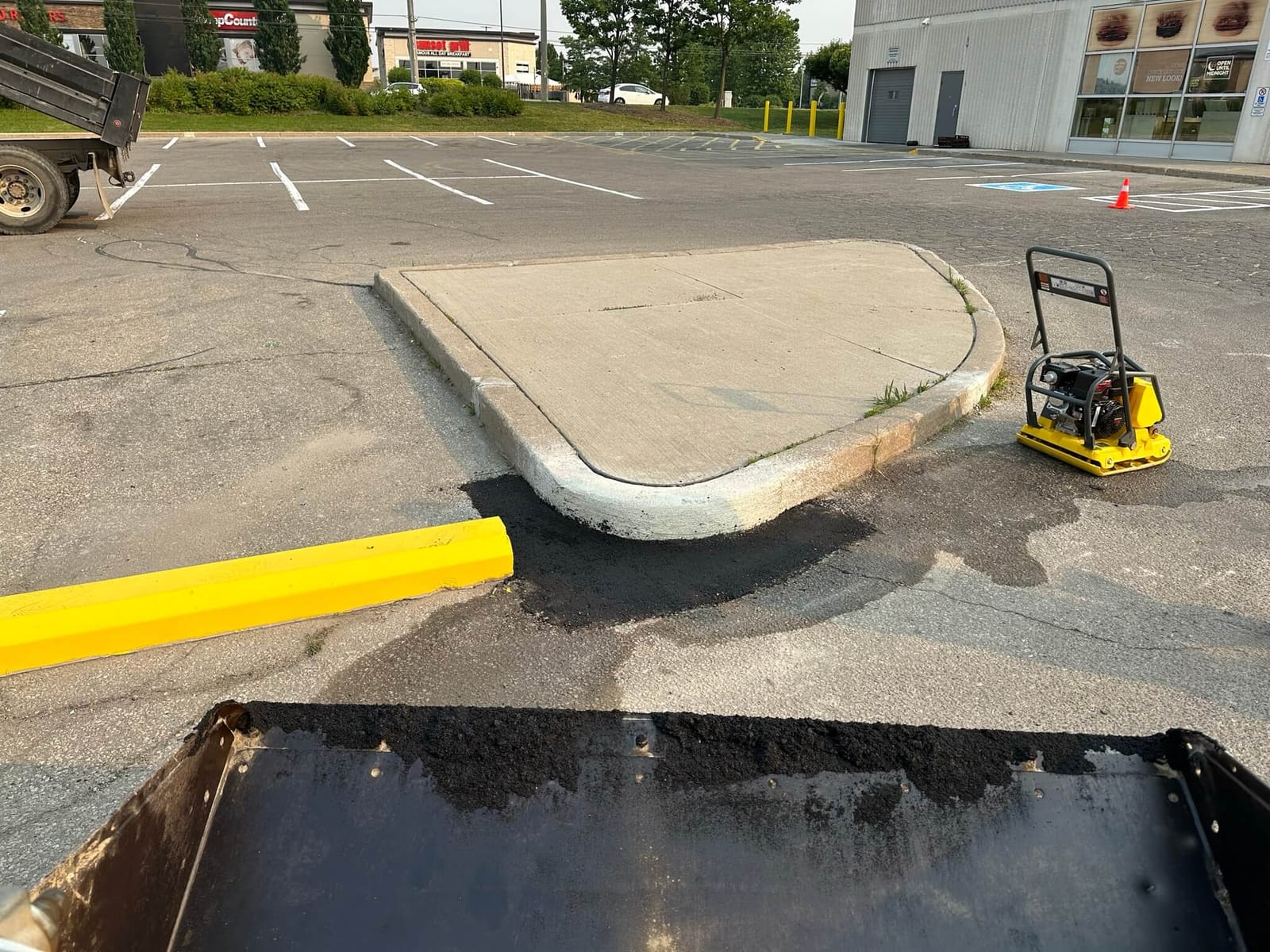
For minor potholes and localized failures, we saw-cut the damaged area into a clean rectangle, remove failed asphalt and soft base, compact new road base, then install hot mix asphalt in layers with proper compaction. We seal the edges to keep water out, which is critical here where freeze-thaw will exploit any unsealed joint.
For alligator cracking and sun-brittled areas, we usually recommend full-depth patching instead of just filling the cracks. We cut out the cracked area down to solid base, stabilize or replace the base if it has pumped or softened, then install new asphalt that matches or slightly exceeds the surrounding thickness. This approach prevents the same cracks from reappearing in the next winter season.
Long linear cracks, especially in drive lanes, are routed and cleaned, then filled with a hot applied rubberized crack sealant that remains flexible in both winter cold and summer heat. This slows water infiltration, which is the main driver of base failure in our region. Where surface oxidation and raveling are widespread but the structure is sound, we may recommend a combination of crack sealing and a sealcoat applied in warm, dry weather to lock in the repairs and improve appearance.
When repair is not enough: partial and full parking lot replacement
Sometimes a Colorado Springs parking lot has simply reached the end of its service life. If more than about 30 to 40 percent of the surface shows structural cracking, repeated potholes, or ongoing heaving, Precision Asphalt Colorado Springs will walk you through replacement options. You might not need a full tear out of the entire area. In many cases, phased or partial replacement keeps your business operating while addressing the worst sections first.
For full replacement, we mill or excavate the old asphalt, haul it to an approved recycling facility, then evaluate the base. In our local soils, it is common to find areas where the base was never compacted well or has been saturated by poor drainage. We regrade the base for correct slope toward existing or new drains, add or replace road base where needed, and compact it to specified density so it can handle both your traffic load and our seasonal movement.
Next, we install one or more lifts of hot mix asphalt. A typical Colorado Springs parking lot might receive a 2 to 3 inch surface course over a 2 to 4 inch base course, but heavier truck routes, dumpster pads, and drive-thru lanes may require thicker sections or a stronger mix design. We use mixes that meet Colorado Department of Transportation standards and are proven to perform at our altitude.
For properties that cannot shut down entirely, we phase the work. This might mean replacing one half of the lot at a time, setting up temporary traffic flow and clear signage so customers and tenants can still access the building safely. We coordinate with you on delivery schedules, busy days, and any special needs like medical office access or school drop off times so the disruption is minimized.
What affects parking lot repair cost and timing in Colorado Springs
Parking lot repair pricing is driven by more than square footage. At Precision Asphalt Colorado Springs, we explain each cost factor so you understand where your money is going and how to get the best value.
Key cost drivers include how thick the existing asphalt is, whether the base is stable or needs rebuilding, how many mobilizations are required to keep your business open, and how tight the site is for trucking and equipment. A simple open lot with one entrance is cheaper per square foot than a tight urban site with multiple small areas scattered around buildings.
Local weather and season timing also matter. In Colorado Springs, the best window for most parking lot repair and replacement is typically April through October when daytime highs are consistently above 50 degrees and the ground is not frozen. Asphalt compacts and bonds better in warmer, dry conditions, so projects done in this window generally perform longer. We can tackle some repairs earlier or later in the season using special mixes and techniques, but these conditions may limit work hours or require additional precautions.
Drainage is another major factor. If your lot holds water after storms or snowmelt, we may need to adjust grades, add valley gutters, or install additional drains. Correcting drainage adds to the upfront cost but prevents recurring potholes and base failures, which saves you money over the life of the pavement. We will show you ponding areas during our walk-through so you can see exactly why we are recommending grading or drainage improvements.
Working with Precision Asphalt Colorado Springs on your project
Parking lot repair and replacement affects your tenants, employees, and customers, so process matters as much as end result. When you contact Precision Asphalt Colorado Springs, we start by asking how your property operates: business hours, delivery schedules, special accessibility needs, and any HOA or brand guidelines for striping and signage.
We then provide a written proposal that breaks out the different areas and repair types. For example, you might see full-depth patching in drive lanes, milling and overlay in the interior stalls, and heavy duty asphalt at dumpster pads. This lets you prioritize if your budget requires a phased approach. We are happy to price an immediate scope plus an optional future phase so you can plan ahead.
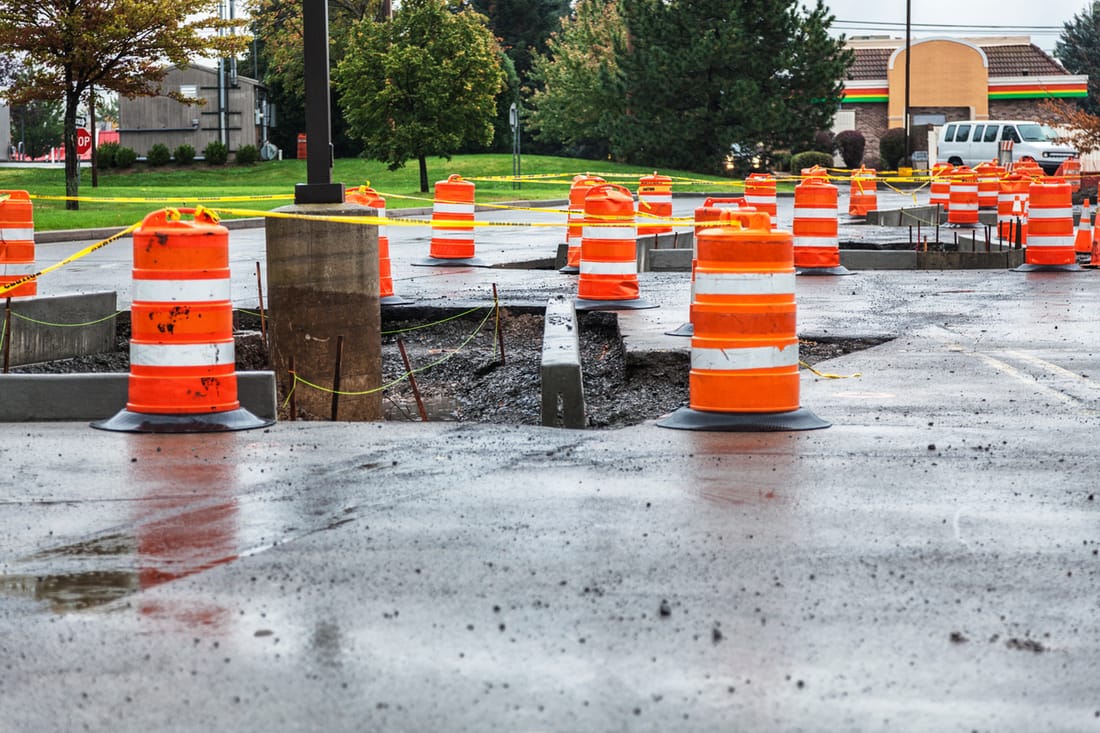
Once you approve the work, we schedule around your peak times. For many Colorado Springs properties, that means early morning or weekend work. We set up cones, caution tape, and signage to clearly mark closed and open areas, and we coordinate with your team on email or text notices you can send to tenants or staff. Our crew leader is on site to answer questions and keep you updated throughout the project.
After the asphalt work is complete, we handle striping and pavement markings so the lot reopens organized and safe. We can match existing layouts or redesign to improve traffic flow, ADA access, and stall counts. Before we leave, we walk the site with you, point out completed repairs, and discuss simple maintenance steps like timely crack sealing and sealcoating schedules that can significantly extend the life of your new or repaired parking lot.