Home › Asphalt Milling and Reclamation
Prepare your pavement for a new surface with asphalt milling in Colorado Springs, CO. We offer profile milling, full depth reclamation, and material recycling to correct grades, remove ruts, and create a solid base for overlays or reconstruction.
Precision Asphalt Colorado Springs provides professional asphalt milling throughout Colorado Springs, CO, Colorado and the surrounding area. Our licensed, insured crew delivers safe, clean, on-time work with a free estimate before anything begins. Call (719) 722-2508 or request your free quote.
Asphalt Milling and Reclamation in Colorado Springs
Asphalt milling is often the most cost‑effective way to fix a worn or uneven asphalt surface without tearing everything out. At Precision Asphalt Colorado Springs, we use milling and full‑depth reclamation to correct rutting, cracking, drainage problems, and height issues on driveways, parking lots, HOA streets, and light commercial lots across the Pikes Peak region.
In practical terms, milling means we grind off a controlled depth of the existing asphalt using a specialized machine, then put down new asphalt over the corrected base. Reclamation goes deeper and turns your failing asphalt and base into a new stabilized foundation. Both methods reuse a large amount of existing material, which keeps costs and trucking lower than a complete removal and replacement.
Colorado Springs has a mix of 1970s subdivisions, newer developments, and aging commercial centers. Many of these properties have had multiple overlays. As a result, paving height has crept up against garages, curbs, and ADA ramps. Properly planned milling corrects that buildup instead of making it worse with yet another layer of asphalt.
How Precision Asphalt Handles the Milling Process
For a typical residential or commercial project, the process starts with a site walk. We check pavement thickness at several locations, look for soft spots, review drainage patterns during storms, and note height transitions at sidewalks, approaches, and building entries. For older Colorado Springs properties we pay special attention to heaved concrete, sunken utility castings, and plow damage from winter seasons.
Once we know the conditions, we set specific milling depths. Light milling might be 1 to 1.5 inches to remove surface cracking and ruts in a parking lot. Heavier milling can go 2 to 3 inches or more if there are deep ruts from delivery trucks, or if previous overlays have created large height differences. Our mill controls allow us to adjust depth down to fractions of an inch so we can slope water toward drains and away from buildings.
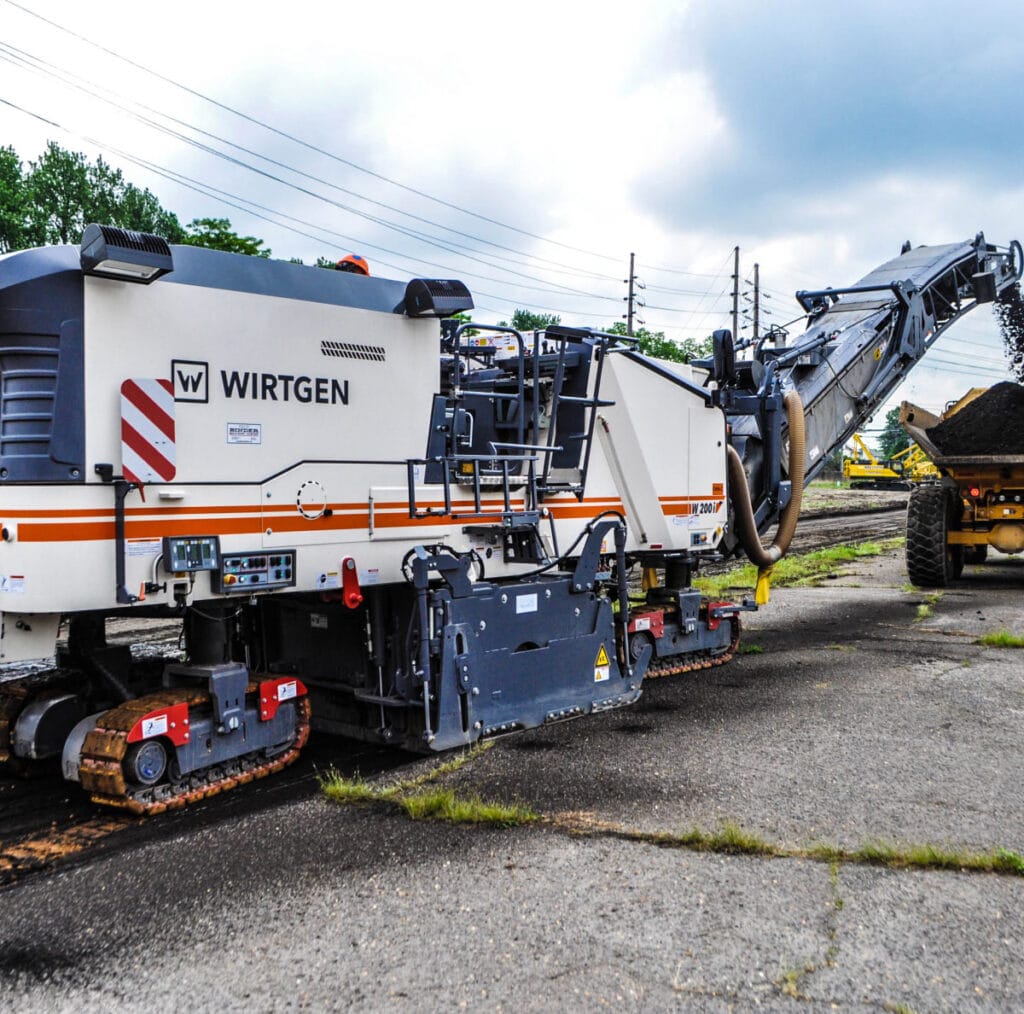
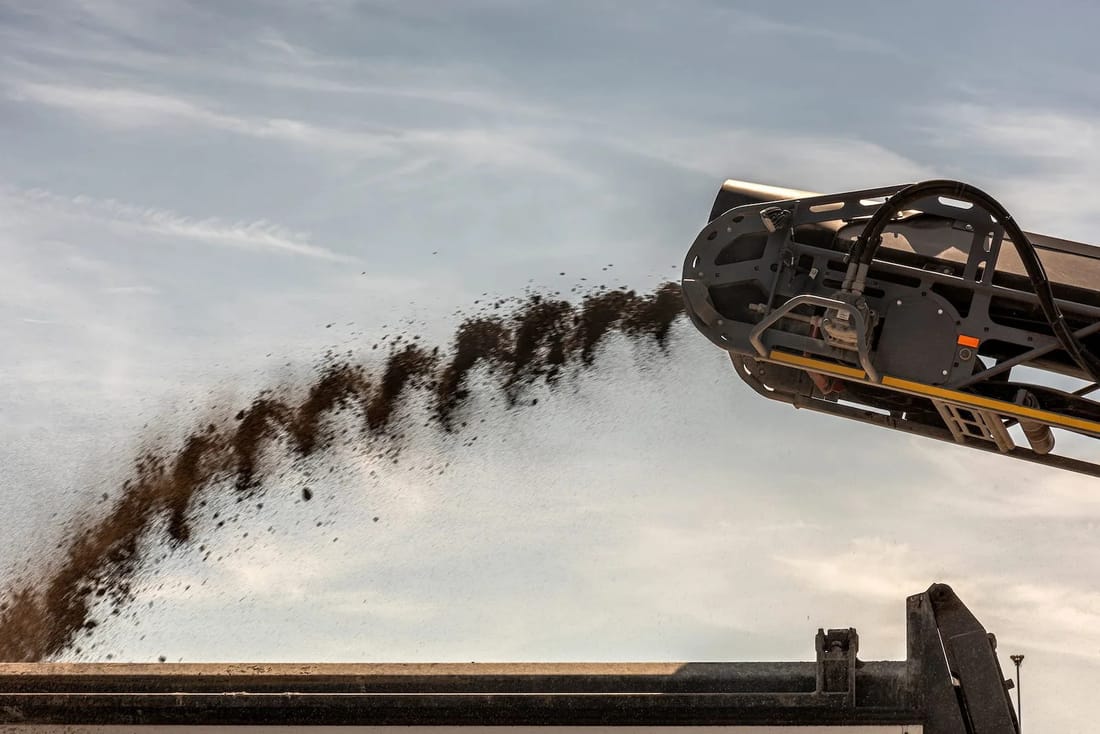
During milling, the machine grinds the old asphalt and conveys it into dump trucks. That reclaimed asphalt pavement (RAP) is hauled to an approved facility and often goes back into new asphalt mixes. We then clean the milled surface, adjust utility structures like manholes or valve cans, and proof roll the area to identify any weak spots in the base before paving starts.
If we find soft base material, we either undercut and replace it or switch to a reclamation approach in that section. This keeps new pavement from failing in the same spots that gave you trouble before.
Full‑Depth Reclamation for Severely Failed Pavement
When asphalt is alligator cracked across large areas, holds water constantly, or shows deep depressions, milling alone is not enough. In those cases, Precision Asphalt Colorado Springs often recommends full‑depth reclamation. Instead of just removing the top layer, we pulverize the entire asphalt section along with part of the base to create a new, stabilized foundation.
We typically bring in a reclaimer machine that grinds 6 to 12 inches deep, depending on existing section thickness and traffic load. The pulverized material is then blended with cement, emulsion, or another stabilizing agent if needed. This creates a firm base layer that can handle Colorado freeze‑thaw cycles better than the original, especially in areas with clay soils and poor original compaction.
After mixing, we shape and compact the reclaimed layer with graders and rollers, then let it cure as needed. Once it reaches the right strength, we place new asphalt on top. The new pavement rides like a full reconstruction but uses much of your existing material, which reduces import material cost and the number of truck trips through your neighborhood.
Reclamation is particularly effective for older commercial lots around Academy, Platte, and Powers where traffic has increased well beyond the original design, and for private roads in hillside subdivisions where access for full dig‑outs would be expensive and disruptive.
Cost Factors for Asphalt Milling and Reclamation
Asphalt milling and reclamation pricing is driven by real site conditions rather than a flat per square foot number. At Precision Asphalt Colorado Springs, we walk you through the specific items that affect your proposal so you can see where the money is going.
Key cost drivers include milling or reclamation depth, total square footage, number of mobilizations, traffic control requirements, and how many utility structures must be adjusted. Deeper milling or reclamation means more machine time and more hauling. Tight sites in older neighborhoods may require smaller equipment or hand work around existing features, which takes additional labor.
On sloped lots in Colorado Springs, especially on the west side and in foothill neighborhoods, drainage corrections can add grading and leveling time. If we need to reshape areas so water flows to inlets instead of across sidewalks or toward garages, we factor that into the scope. Similarly, if we discover widespread base failures during milling, there may be change options for localized undercuts or converting sections to stabilization or reclamation.
You should also account for access and downtime. A small residential driveway might be milled and repaved the same day. A busy commercial lot may need to be phased so tenants and customers always have a place to park. Phasing can slightly raise the overall cost because the crew and equipment have to be moved and set up multiple times.
Common Issues We Solve With Milling in Colorado Springs
Colorado Springs properties see specific types of pavement damage due to altitude, UV exposure, and winter maintenance. Precision Asphalt Colorado Springs focuses our milling and reclamation approach on the problems we see repeatedly in this area so you get a solution that lasts.
One frequent issue is height buildup at garage slabs, dock doors, and ADA ramps after years of overlays. Milling lets us remove those upper layers and match new asphalt flush to thresholds and curb reveals. This reduces trip hazards and plow catches in winter. Another is rutting in drive lanes where delivery trucks or school buses always follow the same path. By milling deeper through the ruts and correcting base problems under them, we level the surface and keep water from sitting in the wheel paths.
We also address poor drainage around inlets that were paved over, snow storage areas that stay soft in spring, and patchwork repairs from utility cuts. Milling can feather transitions into old patches so the surface rides smoother and snowplows are less likely to catch edges. On apartment and HOA properties, we often combine milling with selective reclamation in the worst sections so the community does not pay to overbuild areas that are still structurally sound.
Because our crews work only in this region, we anticipate how local factors affect performance. For example, we adjust mix designs and compaction practices for cold morning starts, fast‑moving afternoon storms, and freeze‑thaw cycles that can open up seams if joints are not treated correctly.
What to Expect When You Hire Precision Asphalt Colorado Springs
Before work starts, we provide a written scope that explains milling or reclamation depths, any base repair allowances, how we will handle drainage, and how many phases the project will have. For commercial and HOA clients, we help you plan tenant or resident notices so everyone knows which areas to avoid and when.
On milling day, you can expect noise and vibration while the machine operates. We coordinate with you on start times to minimize disruption. Our crew sets up safety barricades and signage, then completes milling in sections so access is maintained where possible. After milling, we clean the surface thoroughly before tack coating and paving so the new asphalt bonds properly.
For reclamation projects, there will be an additional period of shaping, compacting, and sometimes curing before new asphalt is placed. We schedule this work around weather, since moisture and temperature affect stabilizer performance. You will see the reclaimed layer first, which may look rough until the asphalt surface is installed.
After paving, we stripe and paint markings as needed, then give you clear guidance on reopening times. Most driveways can be driven on within 24 hours. Heavier commercial traffic may need a slightly longer wait, especially in cooler temperatures. We also review maintenance expectations, like sealing cracks early and keeping drainage inlets clear, so you get the full value from your milled or reclaimed pavement.
If you would like an evaluation of whether asphalt milling or full‑depth reclamation is right for your Colorado Springs property, Precision Asphalt Colorado Springs can walk the site with you and outline specific options instead of a one‑size‑fits‑all recommendation.