Home › Commercial Gravel-to-Asphalt Conversions
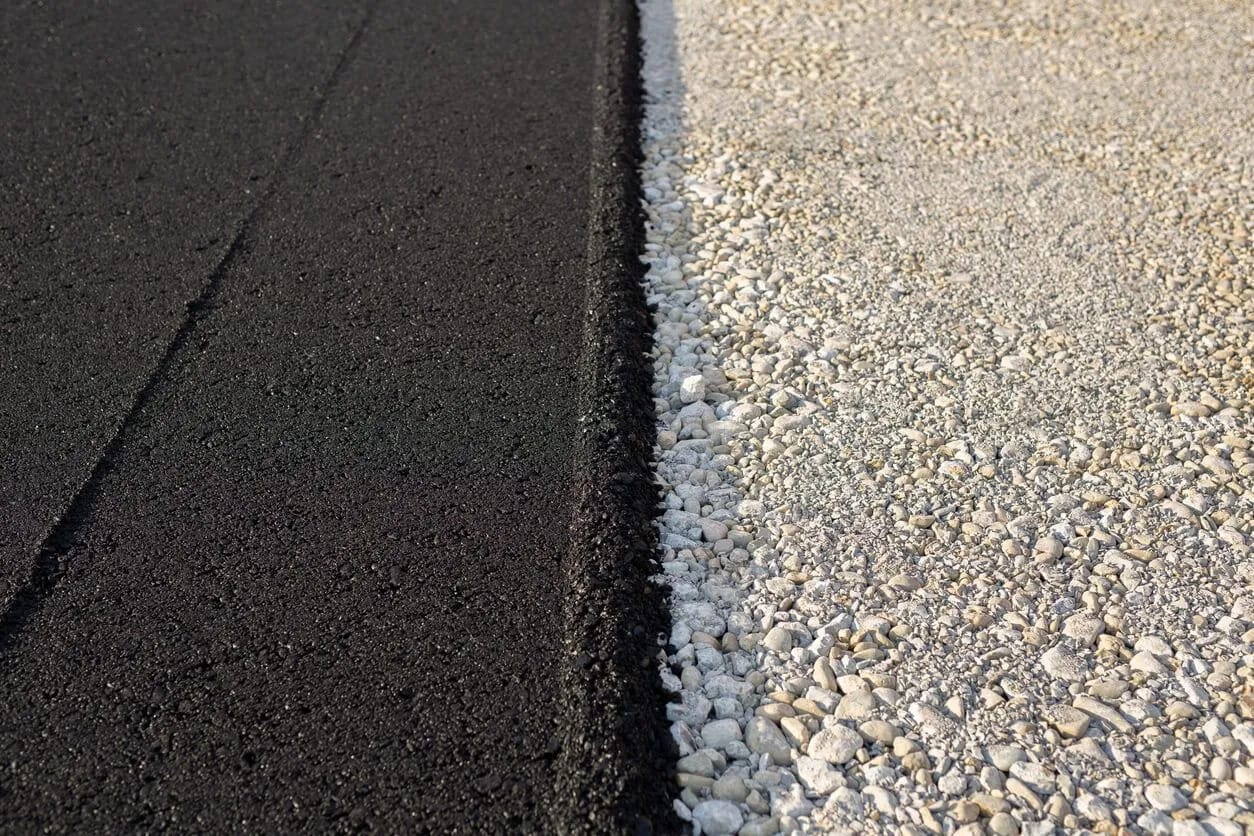
Turn messy gravel areas into clean, professional pavement with commercial gravel to asphalt conversions in Colorado Springs, CO. We regrade and stabilize your base, then install asphalt lots and drives that reduce dust, mud, and maintenance for customers and staff.
Precision Asphalt Colorado Springs provides professional commercial gravel to asphalt throughout Colorado Springs, CO, Colorado and the surrounding area. Our licensed, insured crew delivers safe, clean, on-time work with a free estimate before anything begins. Call (719) 722-2508 or request your free quote.
Commercial Gravel-to-Asphalt Conversion, Done Right in Colorado Springs
If you run a commercial property in Colorado Springs with a gravel lot, you already know the headaches. Dust on vehicles, washouts after a storm, ruts that keep coming back, and a surface that never quite looks professional. Commercial gravel-to-asphalt conversions solve those problems, but the work has to be planned for our local soils and weather or you will end up right back where you started.
Precision Asphalt Colorado Springs focuses on turning existing gravel parking lots, drive lanes, and equipment yards into durable, smooth asphalt surfaces that can handle real commercial traffic. We do not just pave over what is there. We evaluate your base, drainage, and traffic patterns so the new asphalt surface does not crack, rut, or pool water after the first winter.
Because we work only in this region, we know how Pikes Peak freeze-thaw cycles, sudden cloudbursts, and clay pockets under the gravel affect your project. A gravel lot that seems firm in July can turn soft in March. Our crews check for that before we put down one ton of asphalt. This local experience is what protects your investment and keeps your lot open instead of constantly under repair.
Step-by-Step: How We Convert Commercial Gravel Lots to Asphalt
A solid commercial gravel-to-asphalt conversion in Colorado Springs follows a specific process. Skipping steps to save time almost always leads to failures. Here is how Precision Asphalt Colorado Springs typically handles a project.
First, we walk the site with you. We look at how customers and trucks actually move, where water currently stands, and any soft spots or buried surprises like concrete chunks or old asphalt. We also check elevations and how your lot ties into city streets, alleys, and sidewalks.
Second, we evaluate and rebuild the base as needed. Gravel lots usually have some base material, but it is rarely consistent. We scarify (loosen) the existing gravel, proof roll the area with a loaded truck or roller to find weak spots, then excavate and replace soft areas with road base. In high traffic or heavy truck areas we often increase base thickness and may use Class 6 aggregate to provide better strength.
Third, we correct drainage and slopes. For Colorado Springs storms, we aim for at least a 1 to 2 percent slope away from buildings and toward drains or swales. If needed we install or adjust catch basins, add valley pans at entrances, or shape the subgrade so water has a clear path off the pavement. This step is critical so you do not end up with ice sheets in winter.
Fourth, we compact the base in multiple passes with vibratory rollers. We do not pave until the base is firm enough that equipment does not leave ruts. On some commercial lots we also place and compact a separate base course asphalt layer before the surface lift to add strength and smooth out any remaining irregularities.
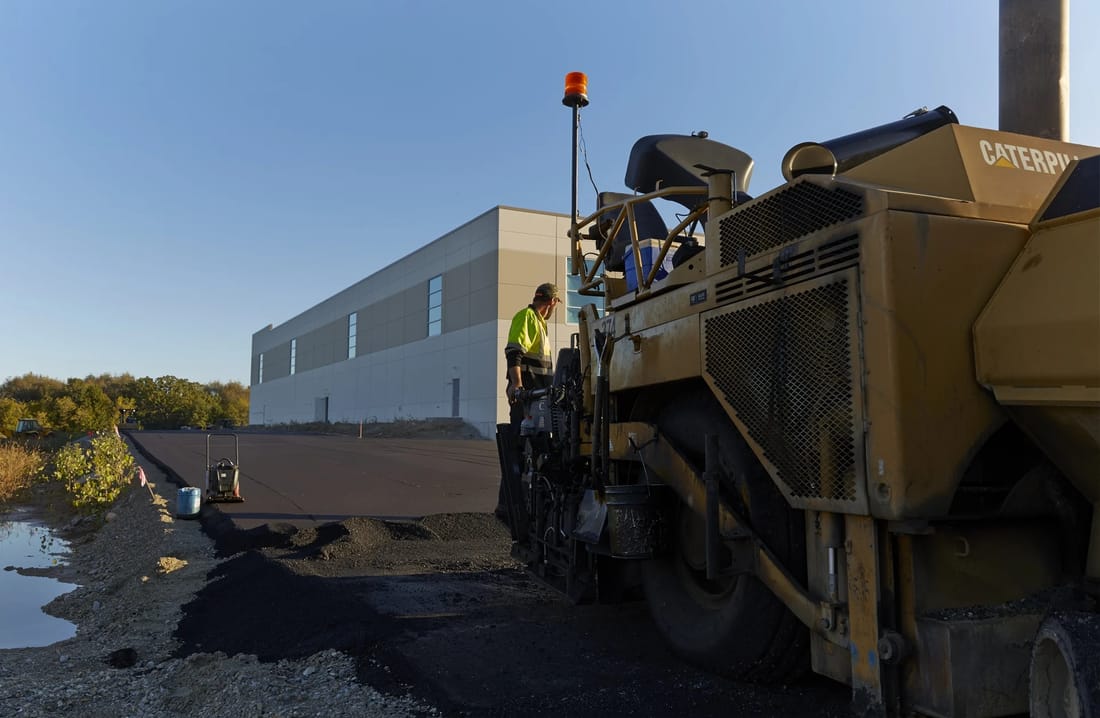
Finally, we place hot mix asphalt at the designed thickness, usually in one or two lifts depending on your use. We use local Colorado mixes that are proven in our climate, then we compact the asphalt to the specified density so it holds up under braking, turning, and parked loads. Once cooled, we finish with striping, signage, and wheel stops where needed so your lot is ready for customers and deliveries.
Design Choices That Affect Cost and Performance
Not every commercial gravel-to-asphalt project should be built the same. Precision Asphalt Colorado Springs helps you choose the right structure for how your property is actually used so you are not overbuilding quiet areas or underbuilding loading zones.
The three big cost drivers are base work, asphalt thickness, and drainage features. If your existing gravel is deep, well compacted, and relatively clean, we can often reprocess and reuse it as part of the base, which saves money. If the lot has soft clay underneath, large ruts, or history of standing water, we plan for more excavation and new base material in those areas instead of taking chances.
For asphalt thickness, a light retail parking lot with mostly passenger vehicles might perform well with 3 to 4 inches of asphalt in one or two lifts. A grocery store with constant delivery trucks or an equipment yard may need 5 inches or more, plus a stronger base. Turning and braking zones near entrances, drive-thru lanes, and dumpster pads are often thickened or built with a base course plus surface course to resist shoving and rutting.
Drainage and concrete features also affect cost. Adding a couple of well placed inlets, connecting to an existing storm line, or installing concrete pads under dumpsters and dock areas can prevent expensive asphalt failures later. We walk you through line items so you can decide where to invest more and where it is safe to spend less.
We also talk about finish options ahead of time, including striping layouts that improve traffic flow, ADA compliant parking and routes, and where to add reinforced edges or concrete curb to protect the pavement. By making these design decisions up front, you avoid change orders and surprise costs mid-project.
Common Problems With Gravel Lots and How We Fix Them
Local gravel lots in Colorado Springs tend to show the same problems: ruts where trucks always drive, potholes that keep reopening, drainage paths cut by stormwater, and dust that bothers nearby businesses. Each of these has a specific solution during a commercial gravel-to-asphalt conversion.
Chronic ruts and potholes usually mean the base is too thin, has poor compaction, or contains fines and organics that hold water. Precision Asphalt Colorado Springs identifies those areas during proof rolling. We then undercut the weak spots, remove the bad material, and replace it with compacted road base before paving. This costs more up front but eliminates the cycle of constant patching.
Washouts and erosion are a sign that surface water is not controlled. Simply paving over will not stop the problem. Instead, we shape the subgrade so water flows along planned routes, then we may add asphalt swales, concrete valley gutters, or connect to existing storm drains. In some commercial yards, we integrate rock-lined ditches or detention areas that meet local requirements and protect the new asphalt.
Soft edges are another issue when a gravel lot transitions to asphalt. If vehicles run off the side of the pavement, the edge can crack and break away. To address this, we may widen the paved area where traffic actually travels, add compacted shoulder material along edges, or install curbing in high impact spots. The right solution depends on how your customers and trucks use the site.
For lots at higher elevations around Colorado Springs or areas exposed to strong sun and wind, we also look at how snow and ice are managed. Plow routes, piles, and meltwater paths can all impact asphalt life. We can adjust slopes and layout so snow piles do not sit against building entries or drain across drive lanes where refreezing is likely.
What Colorado Springs Property Owners Should Know Before Hiring
Before you hire any contractor for a commercial gravel-to-asphalt conversion, there are a few specific things to ask that will protect your budget and schedule.
Ask how they test your existing base, not just what thickness of asphalt they plan to use. A contractor that skips proof rolling or does not talk about undercutting soft areas is more likely to give you a low price that turns into repeated repairs later. At Precision Asphalt Colorado Springs, we build that evaluation into our proposal so you know how we will handle problem spots before work begins.
Confirm how drainage will be addressed. Ask for a simple explanation of where water will go after a typical summer storm and after snowmelt. Your proposal should mention slopes, tie-ins to gutters or storm drains, and what happens at entrances and between buildings. If drainage is treated as an afterthought, you are taking a risk.
Discuss traffic and loading in detail. Let us know whether you have semi trailers, garbage trucks, delivery vans, or mostly passenger vehicles. Tell us where they park, turn, and load. This drives decisions on asphalt thickness, base improvements, and whether certain areas need concrete instead of asphalt.
Finally, talk about phasing and business access. Commercial gravel-to-asphalt work does not have to shut your operation down. Precision Asphalt Colorado Springs can usually build your new asphalt in sections, keep at least one entrance open, and coordinate heavy work for slower business periods. We will outline a traffic control and staging plan that works for your staff, tenants, or customers so the project is an improvement, not a disruption.