Home › Gravel-to-Asphalt Conversions
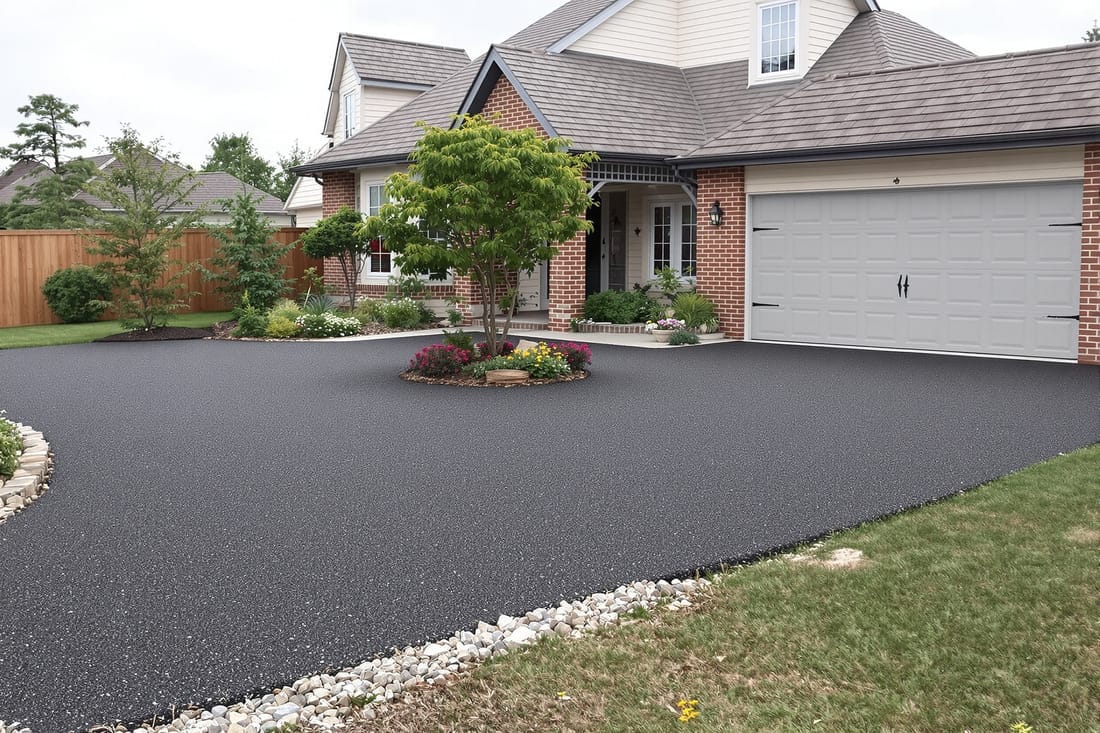
Tired of ruts and mud on your gravel drive Get a smooth upgrade with gravel to asphalt driveway conversions in Colorado Springs, CO. We reshape and compact your base, then install quality asphalt so you can enjoy clean, low maintenance access year round.
Precision Asphalt Colorado Springs provides professional gravel to asphalt driveway throughout Colorado Springs, CO, Colorado and the surrounding area. Our licensed, insured crew delivers safe, clean, on-time work with a free estimate before anything begins. Call (719) 722-2508 or request your free quote.
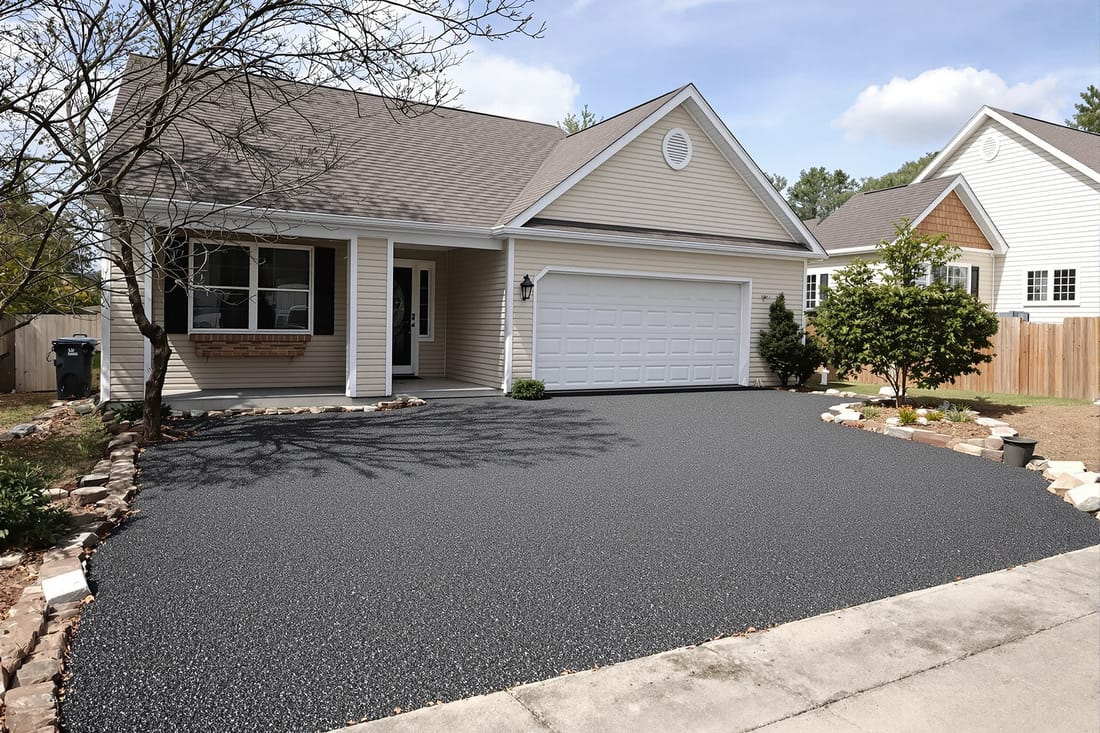
Gravel to Asphalt Driveway Upgrades in Colorado Springs
If you are tired of ruts, dust, and constant re-grading on your gravel drive, Precision Asphalt Colorado Springs specializes in turning worn gravel into smooth, long-lasting asphalt driveways tailored to our local conditions. We focus on driveways and private lanes in Colorado Springs and surrounding communities, where freeze-thaw cycles, steep grades, and drainage issues are common.
A gravel to asphalt driveway project is more than just spreading blacktop on top of stone. Done right, it becomes a stable, safe surface that stands up to Colorado weather and regular traffic. We evaluate your existing gravel base, the slope of your property, how water flows during storms, and how you use the drive, then design a conversion that will actually last instead of just looking good for one season.
Our crew lives and works in the Pikes Peak region, so we are familiar with local soils from compacted decomposed granite in the foothills to clay-heavy pockets on the plains. That local knowledge shapes how we build each gravel to asphalt driveway so it will not break apart the first winter it goes through.
Our Step-by-Step Gravel to Asphalt Conversion Process
Precision Asphalt Colorado Springs follows a clear process so you know what is happening on your property each day.
1. Site inspection and measurement. We walk the entire gravel drive, measure length and width, check for soft spots, and map where water currently runs. We look for areas that stay muddy, places where vehicles spin, and high spots that shed gravel.
2. Base testing and grading. We probe the existing gravel and subgrade to see how deep and compact it is. If your base is thin, we haul in and spread new road base, usually a CDOT-spec crushed aggregate that locks together well. Then we shape the drive with a motor grader or skid steer to create the right crown or cross-slope so water runs off instead of sitting on the pavement.
3. Compaction. Before we lay any asphalt, we compact the base with a vibratory roller, typically in multiple passes. This step often gets skipped by cut-rate outfits, but it is what keeps your new asphalt from settling into ruts later.
4. Edge support and transitions. Where needed, we build up shoulders with additional road base or compacted soil so the edges of the asphalt do not break off under tire pressure. At the road connection or garage, we set transition slopes so you do not feel a bump every time you pull in.
5. Asphalt paving. For most residential gravel to asphalt driveway projects, we install a hot mix asphalt layer 2 to 3 inches thick after compaction. We use local Colorado mix designs suited to our climate, spread with a paver for a smooth finish, then compact with steel drum and rubber-tire rollers.
6. Final rolling and cleanup. After finishing compaction, we address any seams, check drainage with water if needed, and clean up loose gravel from your yard and street so you are not tracking rocks into the new surface.
Design Options for Your New Asphalt Driveway
A gravel to asphalt driveway does not have to be a simple strip of black. There are practical design choices that affect how your drive looks and functions.
Width and layout: Many Colorado Springs homeowners use a gravel driveway that is wider than necessary because they tried to control mud and ruts. When converting to asphalt, we can tighten the drive to a more standard width (often 10 to 12 feet single-lane, 16 to 20 feet for side-by-side parking) and add small asphalt parking pads or turnouts where you really need space.
Thickness and base depth: For light residential use, a compacted asphalt thickness of about 2.5 inches over a solid base usually performs well. For heavier use, such as RV parking, trailers, or work trucks, we may recommend thicker asphalt or a stronger base layer. We explain the tradeoff between cost and durability so you can choose what fits your budget and how you actually use the space.
Edges and containment: Some customers in Colorado Springs HOAs prefer clean, defined edges. We can saw-cut straight edges and, if your HOA or design prefers it, pour concrete aprons near the street or install decorative rock borders outside the asphalt. Functionally, we can also use compacted shoulder material to support the pavement where vehicles occasionally drive off the edge.
Drainage improvements: If your gravel drive currently washes out in big storms, this is the time to fix it. We can incorporate shallow ditches, swales, or culverts, and adjust the driveway slope so water flows where it should. On hillside properties, we pay special attention to directing water away from your foundation and from neighboring lots.
Local Conditions That Shape Gravel to Asphalt Driveways
Colorado Springs weather and terrain put unique stresses on driveways, so Precision Asphalt Colorado Springs builds conversions with those factors in mind.
Freeze-thaw cycles: Our area sees frequent temperature swings around freezing, which means water in the base can expand and contract. We work to create a dense, well-drained base under your new asphalt so moisture does not stay trapped and cause heaving or cracking. On existing gravel drives that hold water, we may recommend undercutting soft spots or adding geotextile fabric to stabilize poor soils.
Sun and altitude: At our elevation the sun is intense. Dark asphalt can oxidize faster without proper mix and compaction. We use mixes used locally on municipal projects so your driveway handles UV exposure. We also talk with you about sealcoating schedules so you can protect the new surface starting around 1 to 2 years after installation.
Wind and dust: Many gravel drives east of I-25 throw dust onto vehicles, houses, and landscaping. Converting to asphalt greatly reduces dust, but we also consider how wind funnels across your property. For example, at open prairie sites we may slightly adjust the drive alignment or add a small berm or swale that also keeps wind-blown sediment from building up on the new pavement.
Elevation changes: From hillside neighborhoods like Broadmoor Bluffs to rolling lots in Black Forest, grades can be steep. On steeper gravel drives, we take time to shape the base for safe traction and incorporate textured finishes or slightly different mix if needed to reduce slipperiness in icy conditions.
What Affects the Cost of Converting Gravel to Asphalt
Customers often ask why two gravel to asphalt driveway quotes can be so different. Precision Asphalt Colorado Springs explains each line item so you see what you are paying for and what corners are not being cut.
Key cost drivers include:
Length, width, and thickness. More square footage and thicker asphalt means more materials and time. Narrowing or slightly adjusting the layout can help control costs without sacrificing function.
Base condition. If your current gravel layer is deep, well-drained, and already compacted from years of traffic, costs are lower because we can reuse much of that structure. If the drive is muddy after storms or has large potholes, we may need to undercut, add fabric, or import more base material, which increases cost but prevents expensive failures later.
Access and slopes. Tight access behind houses, steep drives, or long lanes that require extra grading time or smaller equipment can raise the labor portion of the price. We walk you through these factors on site instead of surprising you later.
Drainage corrections. Adding culverts, ditching, or re-routing water is extra work but often saves you from premature edge damage and frost heave. We separate these items on the estimate so you can see their value.
Timing and phasing. Some homeowners prefer to convert sections of a very long gravel lane in phases to spread the cost over time. We can design the project so each phase ties into the next, which avoids weak joints or obvious patchwork.
Common Problems With Gravel Drives and How Asphalt Solves Them
Before calling us, most customers in Colorado Springs have already been fighting their gravel driveway for years. When we look at your drive, we are targeting those recurring issues.
Ruts and washboarding: Gravel shifts under tire paths, especially on hills or where vehicles brake and turn. With a properly compacted asphalt surface and stable base, those ruts disappear. We pay extra attention to curves, intersections with streets, and slopes to ensure these stress points are well supported.
Mud and snow management: Gravel mixes with snow and mud, then ends up pushed into your yard by plows. Once your gravel to asphalt driveway is in place, snow removal becomes easier and safer. We can help you plan plow-friendly edges and avoid high spots that catch shovels or blades.
Dust and loose rock damage: Gravel drive dust can coat siding and vehicles, and loose rock can chip paint. A solid asphalt surface stops most of that, and we also clean up residual loose stone at the edges to prevent tracking.
Ongoing maintenance cost: Re-grading, bringing in new gravel, and filling potholes every year adds up. While asphalt has its own maintenance needs, such as occasional crack filling and sealcoating, the routine is less frequent and more predictable. We are upfront about long-term care so you know what to budget after the conversion.
Permits, HOA Rules, and Scheduling in Colorado Springs
Driveway rules vary across the Colorado Springs area, and Precision Asphalt Colorado Springs helps you navigate them so your gravel to asphalt driveway project goes smoothly.
City and county requirements: In many parts of El Paso County, a simple residential driveway that does not change the connection to the public road may not require a full permit, but any work that alters drainage, the culvert, or the approach near the road can trigger review. Within Colorado Springs city limits or when tying into a public street, there may be standards for approach width, slope, and sight lines. We can work from existing standards and coordinate with you if a permit or inspection is needed.
HOA and architectural guidelines: Many neighborhoods in Colorado Springs have HOAs that specify driveway materials, colors, or border treatments. Before we start work, we recommend you confirm any requirements, such as needing a concrete apron at the sidewalk or a specific driveway width. We can provide drawings and material descriptions to support your HOA application and adjust our plan to fit approved guidelines.
Project timing and access: Typical residential gravel to asphalt driveway conversions take one to three days of active work once scheduled, depending on length and base repairs. There will be periods when you cannot drive on the new asphalt, usually about 24 to 48 hours. We help you plan parking on nearby streets or alternate access, and for long rural lanes we often phase work so you are never completely cut off.
When you are ready, we start with an on-site visit, listen to how you use your driveway, then propose a conversion plan that fits Colorado Springs conditions and your budget so you get a smooth, durable asphalt surface that truly improves daily life.